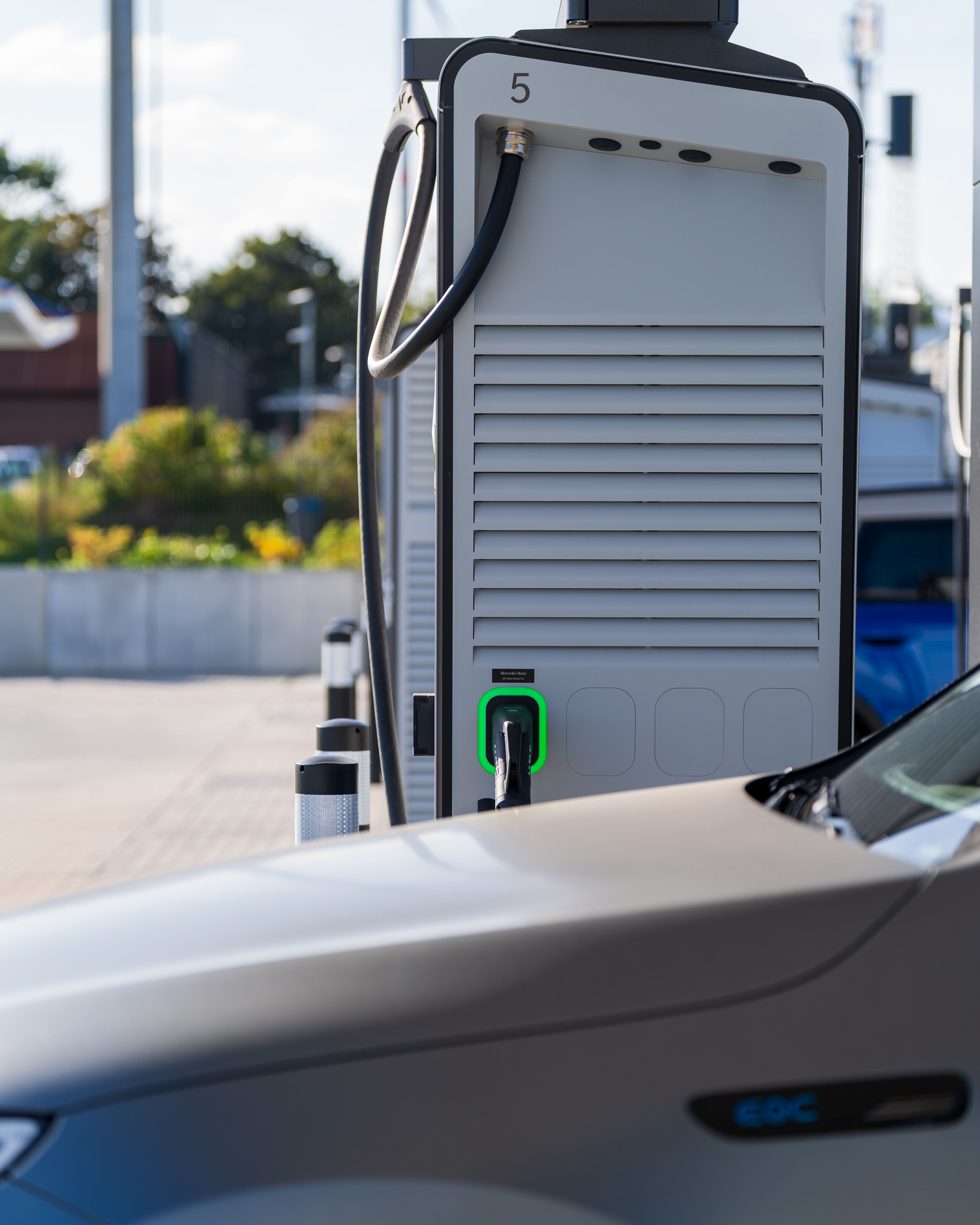
EV charger permit requirements catch a lot of Lake Forest homeowners off guard. The charger itself is a straightforward purchase, but the electrical work behind it — a new 240-volt circuit, sometimes a larger breaker panel — falls under the same building code that governs any other change to a home's wiring. That means a permit application, a licensed electrician's stamp on the work, and a city inspector's sign-off before the circuit goes live. Skipping that step is not a shortcut; it is a liability, and in some cases a fire-safety risk, since bad garage wiring is exactly what the inspection is designed to catch.
EV Charger Permit Requirements: Do You Need One in Lake Forest?
Yes — installing a home EV charger in California almost always requires an electrical permit, because the work adds a new dedicated circuit and often a new 240-volt outlet or hardwired connection at the panel. The U.S. Department of Energy's Alternative Fuels Data Center is direct about it: charging equipment installations "must comply with local and state codes and regulations," and "appropriate permits may be required from the local building and permitting authorities." Lake Forest, like the rest of Orange County, enforces the California Electrical Code through its building division, and a Level 2 charger installation is treated the same as adding a new circuit for a hot tub or a workshop subpanel — it needs a permit whether the installer is a licensed electrician or a well-meaning relative with a multimeter.
Why the Permit and Inspection Step Actually Matters
The permit isn't paperwork for its own sake — it exists because a mis-wired 240-volt circuit is a real fire and shock hazard, and because most homeowners have no way to independently verify that a breaker, wire gauge, and grounding path were sized correctly for a charger pulling 30 to 50 amps for hours at a stretch. An inspector checks exactly that: breaker size against wire gauge, correct grounding, weatherproofing on any exterior conduit, and whether the charger itself is safety-listed. ENERGY STAR notes that "not all EV chargers that are for sale are safety certified," and that its own certified units are "tested for safety by a nationally recognized testing laboratory" — the same kind of independent listing an inspector will look for on the equipment during the final walkthrough.
There's also a paper trail that matters later. A permitted, inspected EV charger circuit becomes part of the home's official record — visible to a future buyer's inspector and to the title company. An unpermitted 240-volt line, by contrast, is exactly the kind of undisclosed electrical work that surfaces in a home inspection report and slows down, or unwinds, a sale in Saddleback Valley's resale market.
What a New 240-Volt Circuit Involves
A Level 2 charger draws far more continuous current than anything else in most homes except a range or a dryer, so the permit review usually starts with a load calculation: does the existing panel have room for a new 40 to 50 amp breaker without exceeding the panel's rated capacity? Many Lake Forest homes built in the 1970s and 80s carry 100-amp or 125-amp panels that are already close to full with HVAC, an electric range, and a pool pump, which is why a permit application for a charger often turns into a permit application for a panel upgrade as well, reviewed and inspected together. If that's the case here, our electrical panel upgrade page walks through what a 200-amp upgrade adds and when it's actually necessary versus optional.
The Permit and Inspection Process for a Lake Forest Install
A licensed electrician evaluates the panel and pulls the permit from the city's building division, using the property address and a description of the circuit being added.
The city reviews the application — sometimes over the counter, sometimes requiring a submitted plan showing the circuit routing and breaker size — before issuing the permit.
The electrician completes the wiring: new breaker, conductor run to the charger location, grounding, and any weatherproof conduit for an exterior or garage-wall mount.
A city inspector visits to verify the work against the approved permit before the circuit is energized and used.
Once the inspection passes, the permit is closed and the installation becomes part of the home's permanent electrical record.
The Department of Energy's infrastructure development guidance describes the same sequence at a broader scale: an installer "should be aware of the relevant codes and standards and obtain a permit from the local building authorities before installing charging infrastructure," and larger jobs may need "a site installation plan, and approval from fire, environmental, or electrical inspection entities." A single-family home rarely needs the fire or environmental sign-off that a commercial charging station does, but the core sequence — permit first, inspection before use — is identical. On the utility side, Southern California Edison also ties its own incentive to a completed, code-compliant install: its Charge Ready Home program lets homeowners "claim up to $4,200 in rebates when installing a Level 2 EV charger," and the rebate paperwork typically asks for proof the work was permitted and inspected, not just a receipt for the equipment.
What Happens If You Skip the Permit
Unpermitted electrical work doesn't usually cause a problem on day one — the charger still charges the car. The risk shows up later, in three predictable ways. First, insurance: if an unpermitted 240-volt circuit is later linked to an electrical fire, a homeowner's policy can deny or contest the claim on the basis that the work was never inspected or code-compliant. Second, resale: an unpermitted circuit discovered during a home sale in Lake Forest can trigger a demand from the buyer to have the work retroactively permitted and inspected, sometimes requiring a wall to be opened back up if the wiring wasn't documented, which is slower and more expensive than doing it right the first time. Third, code enforcement: the city can require the work be removed or brought up to code with a permit pulled after the fact, on the homeowner's schedule and dime, not the installer's.
Not sure if your panel has room for a 240V circuit?
A quick load calculation over the phone tells you whether your panel can take a new EV charger circuit as-is, or needs an upgrade first — before any permit paperwork starts.
Talk to an installerHiring for a Permitted Install in Saddleback Valley
The permit and inspection step is also a useful filter for choosing who does the work. Any installer who suggests skipping the permit "to save time" is asking the homeowner to carry all of the risk described above. The DOE's infrastructure guidance recommends looking for installers listed with the Electric Vehicle Infrastructure Training Program — contractors specifically trained and certified in charging equipment installation — and the same standard applies to a single-family home in Lake Forest as it does to a commercial site. A qualified local electrician will pull the permit as a matter of course, schedule the inspection, and walk the homeowner through what the inspector will check, whether the job is a straightforward Level 2 charger installation or one that also needs a panel upgrade first.
Frequently Asked Questions
Does a Tesla Wall Connector need a permit too?
Yes. A Tesla Wall Connector is hardwired to a 240-volt circuit exactly like any other Level 2 charger, so it goes through the same permit application and inspection as any dedicated EV circuit — the brand of the charger doesn't change the electrical code requirement.
How long does the permit and inspection process take in Lake Forest?
It varies with the city's current permit volume and whether a panel upgrade is involved, but a straightforward charger-only circuit is typically a same-day or next-day permit issuance, with the inspection scheduled after the wiring is complete. Plan for the process to add roughly a week to the installation timeline, not months.
Can I install the charger myself and just skip the inspection?
It's legal in many cases for a homeowner to pull an owner-builder permit and do the work themselves, but the inspection requirement doesn't go away. The circuit still has to pass the same code review a licensed electrician's work would, and getting it wrong on a DIY job is exactly the scenario the inspection exists to catch.
Does the permit affect the SCE rebate?
It can. Southern California Edison's Charge Ready Home rebate is built around a code-compliant installation, so keeping the permit and final inspection sign-off on file is the safest way to avoid a rebate claim being delayed or questioned later.
What if my panel doesn't have room for the new circuit?
That gets decided during the same permit review. The electrician's load calculation shows whether the existing panel has capacity, and if it doesn't, the panel upgrade gets folded into the same permit instead of becoming a separate project down the road.